Sustainability has become a top priority for homeowners and businesses looking to maintain beautiful outdoor spaces without harming the environment. Eco-friendly landscaping services are designed to create greener, healthier lawns while conserving water, reducing waste, and minimizing the use of harmful chemicals. By incorporating sustainable design principles, native plants, and energy-efficient techniques, these services help transform traditional yards into environmentally responsible landscapes that thrive naturally. Investing in eco-conscious landscaping isn’t just good for the planet—it also saves money and enhances your property’s long-term value.
Sustainable Lawn Care Practices
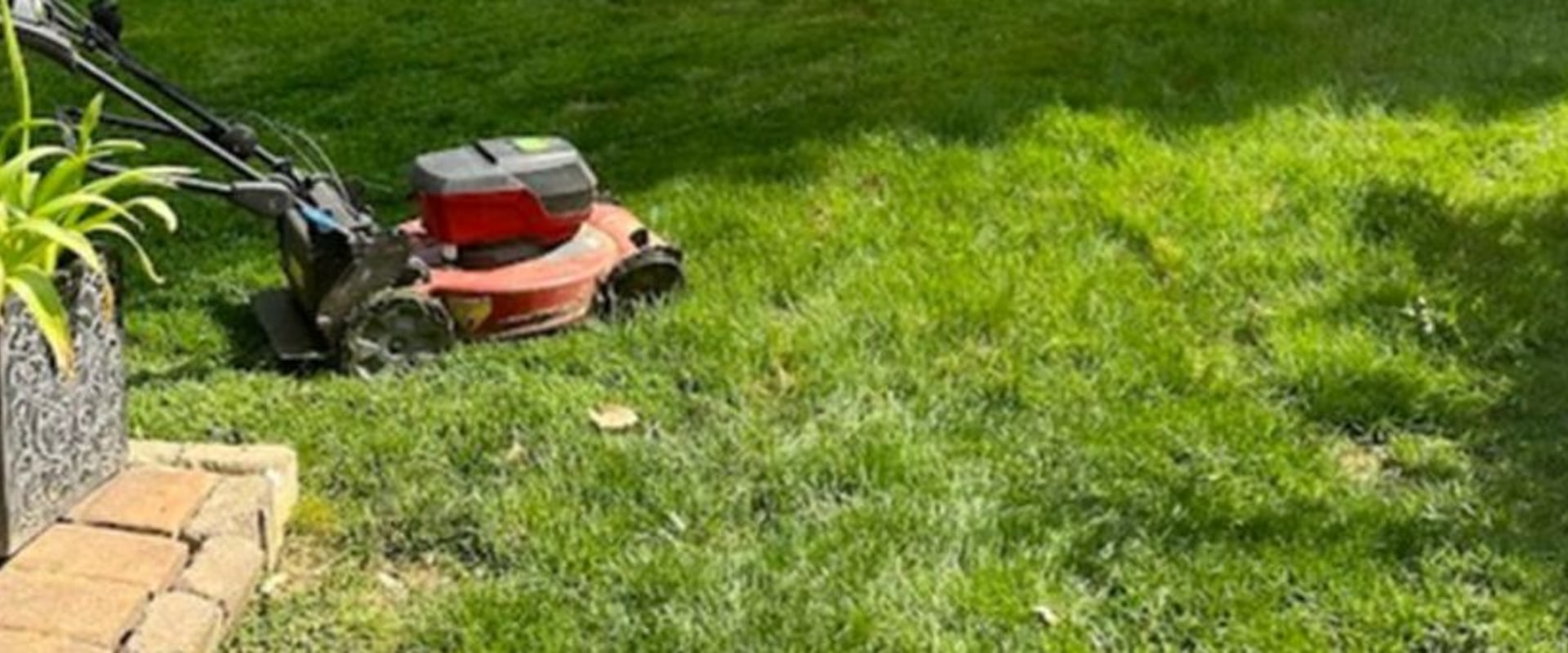
Traditional lawn maintenance often relies on excessive watering, chemical fertilizers, and gas-powered equipment. Eco-friendly landscaping takes a different approach by using organic fertilizers, smart irrigation systems, and electric or battery-powered tools to reduce pollution and waste. Many sustainable lawn care programs emphasize soil health—using compost, mulch, and aeration to strengthen grass from the roots up. Deep, healthy roots naturally resist pests and disease, minimizing the need for synthetic treatments. Professionals trained in sustainable lawn management ensure that grass species, mowing heights, and fertilization schedules are optimized for your region’s climate, helping your lawn look lush without overusing resources.
Native Plants and Drought-Tolerant Landscaping
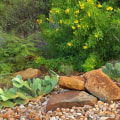
One of the most effective ways to achieve eco-friendly landscaping is through the use of native and drought-tolerant plants. These species have adapted to local climates and soil conditions, requiring far less water and maintenance than non-native varieties. They also provide essential food and habitat for pollinators like bees, butterflies, and birds, enhancing biodiversity in your yard. Xeriscaping—a landscaping method that focuses on minimal water use—is becoming increasingly popular in regions prone to drought. Combining decorative gravel, mulch, and hardy native shrubs creates an appealing, low-maintenance landscape that thrives naturally and conserves water.
Smart Irrigation and Water Conservation
Water conservation is at the heart of sustainable landscaping. Modern irrigation systems equipped with smart controllers adjust watering schedules based on weather forecasts, humidity levels, and soil moisture. Drip irrigation, for instance, delivers water directly to plant roots, reducing evaporation and runoff. Capturing rainwater through barrels or underground cisterns can further reduce dependence on municipal water supplies. Regular maintenance of sprinklers and timers ensures your irrigation system operates efficiently, promoting healthy plant growth while preventing waste.
Eco-Friendly Hardscaping and Soil Protection
Eco-friendly landscaping goes beyond plants—it also includes hardscaping materials and construction techniques that minimize environmental impact. Using permeable pavers, recycled stone, and sustainable wood alternatives helps reduce runoff and soil erosion. Permeable surfaces allow rainwater to filter back into the ground instead of collecting in storm drains. Soil conservation is equally important—techniques like mulching and strategic planting help prevent erosion and improve soil fertility over time. Companies like Concrete Revival often integrate sustainable hardscaping solutions, offering environmentally responsible pathways, patios, and retaining walls that balance durability with eco-conscious design.
The Long-Term Benefits of Sustainable Landscaping
Eco-friendly landscaping is more than a trend—it’s a long-term investment in environmental health and property value. Sustainable yards require less maintenance, conserve resources, and contribute to a cleaner, more balanced ecosystem. They also enhance curb appeal and reduce utility costs through smarter irrigation and natural shading. By partnering with experienced professionals who specialize in green landscaping practices, homeowners can create outdoor spaces that are both beautiful and beneficial to the environment. A greener lawn today paves the way for a more sustainable tomorrow.