Landscape contractors are often recognized for designing attractive outdoor spaces, installing patios, planting trees, and creating visually appealing gardens, but their role extends far beyond aesthetics. One of the most valuable yet frequently overlooked contributions they make is improving drainage while helping protect the structural integrity of nearby buildings and outdoor infrastructure. Water is one of the most destructive forces affecting residential and commercial properties when it is not properly managed. Poor drainage can lead to standing water, soil erosion, foundation movement, damaged retaining walls, and weakened hardscape surfaces. By understanding how water naturally flows across a property, landscape contractors develop solutions that not only enhance the appearance of outdoor spaces but also reduce long-term maintenance costs and minimize the risk of structural damage. Their work creates healthier landscapes while supporting the overall stability and functionality of the property.
Drainage Planning Begins Before Installation
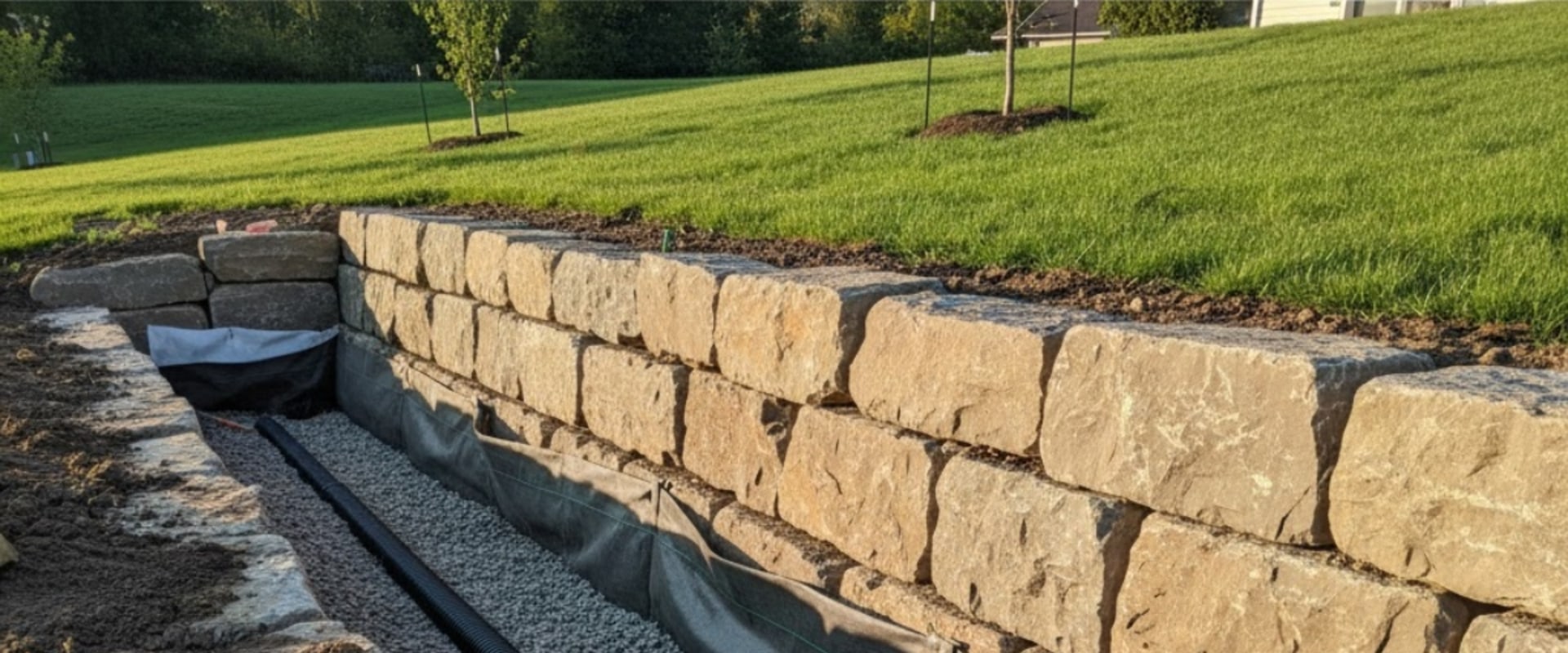
Effective drainage starts with careful planning rather than reacting to existing problems after they develop. Landscape contractors evaluate grading, soil composition, natural slopes, rainfall patterns, and surrounding structures before recommending improvements. Even small changes in elevation can significantly influence how water moves across a property. Proper grading directs runoff away from foundations, driveways, and walkways while encouraging water to reach designated drainage areas safely. Contractors may recommend solutions such as French drains, swales, permeable paving systems, dry creek beds, or strategically positioned catch basins depending on the property's specific conditions. Every component works together to manage excess water efficiently without disrupting the surrounding landscape. In larger or more technically demanding projects, collaboration with experienced engineering professionals, including companies such as Open Concept Engineering, helps ensure that drainage improvements align with broader site development plans and structural requirements while supporting long-term property performance.
Protecting Structures Through Thoughtful Landscape Design
Drainage improvements are closely connected to protecting the structural integrity of homes and commercial buildings. When water consistently accumulates near a foundation, the surrounding soil can expand, contract, or erode depending on its composition and moisture levels. Over time, these changes may contribute to foundation settlement, cracking, or uneven structural movement. Landscape contractors reduce these risks by designing outdoor spaces that encourage controlled water movement while preserving soil stability. Proper placement of retaining walls, landscape edging, vegetation, and hardscape features helps prevent erosion while supporting the surrounding terrain. Selecting appropriate plants also contributes to effective water management, as deep-rooted vegetation can stabilize soil and improve water absorption without interfering with underground utilities or building foundations. Irrigation systems are equally important, as improperly designed watering schedules may saturate soil unnecessarily and increase pressure against structural components. By considering both environmental conditions and construction principles, landscape contractors create outdoor environments that remain functional throughout changing weather conditions.
Long-Term Benefits of Integrated Site Management
Successful drainage management requires ongoing maintenance as well as thoughtful initial design. Landscape contractors routinely inspect drainage systems, remove debris from collection points, monitor erosion-prone areas, and adjust irrigation schedules to accommodate seasonal weather patterns. These preventive measures help ensure that drainage systems continue functioning efficiently year after year. Property owners also benefit from reduced flooding, healthier lawns and gardens, fewer pest problems associated with standing water, and longer-lasting outdoor features such as patios, sidewalks, and retaining walls. Beyond protecting individual structures, well-designed drainage systems contribute to environmental sustainability by reducing runoff, limiting soil displacement, and encouraging natural groundwater recharge where appropriate. Ultimately, landscape contractors play a vital role in preserving both the beauty and resilience of outdoor spaces. Their expertise demonstrates that successful landscaping involves much more than decorative improvements—it requires understanding how water interacts with the land, how soil responds over time, and how careful planning can safeguard the structural integrity of a property for years to come while creating outdoor environments that are both attractive and highly functional.