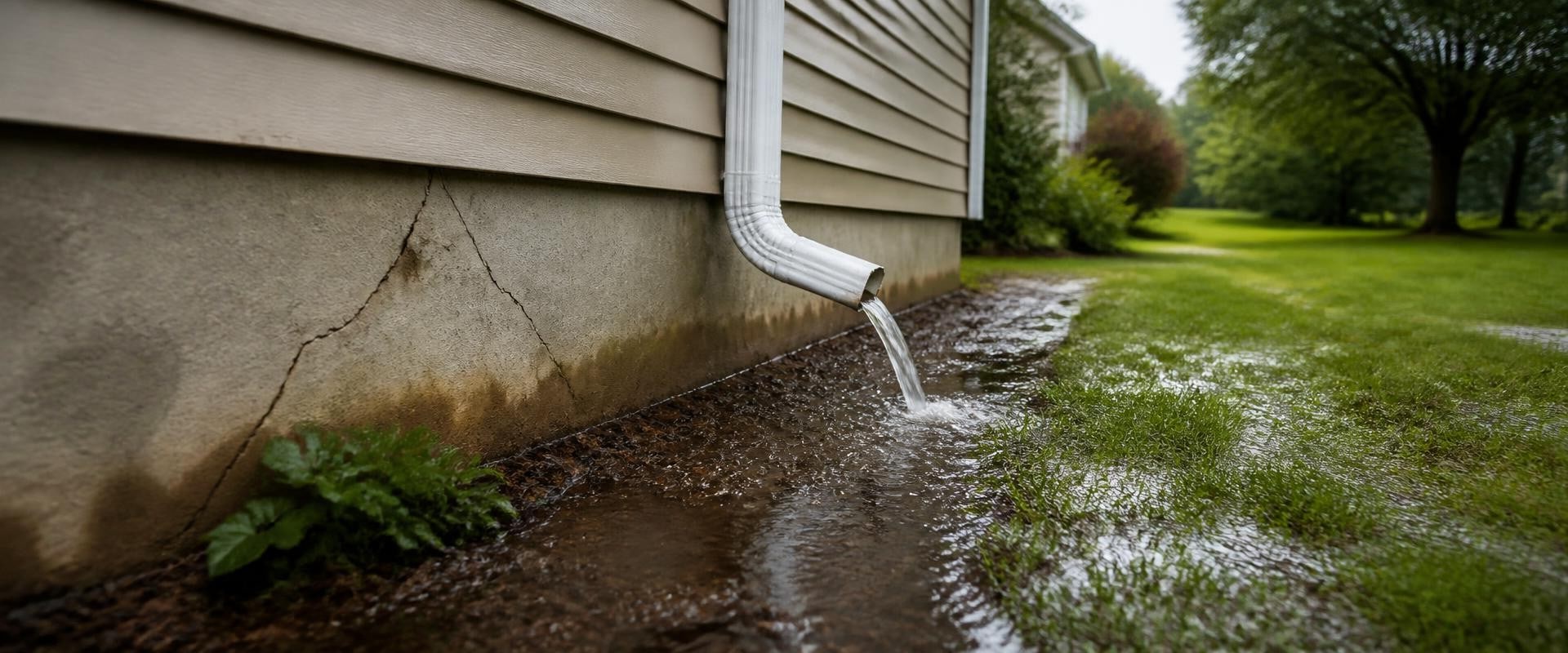
Proper drainage plays an important role in protecting both landscaping and the structural stability of a property. When rainwater, irrigation runoff, or other moisture does not flow away from a building correctly, it can collect in low areas, saturate the soil, and create long-term problems. Landscaping may be one of the first areas to show signs of poor drainage through standing water, unhealthy plants, soil erosion, or consistently muddy sections of the yard. Over time, the same moisture conditions affecting the landscape may also influence the soil supporting the foundation.
Recognizing Signs in the Landscape
Landscaping can provide useful clues about how water moves around a property. Puddles that remain long after rainfall, washed-out mulch, exposed roots, eroded soil, or grass that struggles in consistently wet areas may indicate drainage problems. Plants located close to the home may also experience excessive moisture if water repeatedly collects near foundation walls. When these signs appear alongside cracks, uneven floors, or sticking doors, professionals such as Bats Foundation Repair may be able to evaluate whether changing soil conditions are contributing to foundation movement.
How Saturated Soil Can Affect the Foundation
Different soil types respond to moisture in different ways. Expansive clay soils can swell when they absorb water and shrink as they dry, creating repeated cycles of movement beneath a foundation. Other soils may soften, erode, or lose some of their ability to support structural loads when they remain saturated. If one section of the property receives significantly more water than another, the soil may provide uneven support. This difference can contribute to settlement, shifting, or cracking within the structure.
Preventing Erosion Around the Property
Poor drainage can also cause soil to wash away from areas surrounding the foundation. Water flowing rapidly through landscaping beds or along the sides of a building may gradually remove soil, leaving gaps or reducing support in certain locations. Erosion can also expose tree roots, damage plant beds, and create low spots that collect even more water. Redirecting runoff before significant erosion develops can help preserve both the appearance of the landscape and the conditions around the foundation.
Consider Gutters and Downspouts
Roof drainage has a major influence on landscaping near a home. Gutters that are clogged, damaged, or incorrectly pitched may allow large amounts of water to fall directly beside the foundation. Downspouts that discharge too close to the house can create similar problems. Extending downspouts and keeping gutters clear can help move roof runoff toward appropriate drainage areas instead of allowing it to saturate landscaping next to the structure.
Review Grading and Irrigation
The ground around a building should generally encourage water to move away from the foundation. Landscaping changes, soil settlement, or incorrectly installed garden beds can sometimes create slopes that direct water toward the house instead. Irrigation systems should also be checked to make sure sprinklers are not repeatedly soaking areas near the foundation. Broken lines, leaking valves, or excessive watering can create concentrated moisture problems that may otherwise go unnoticed.
Coordinate Landscaping With Drainage Improvements
Drainage solutions should be incorporated thoughtfully into landscape design. French drains, catch basins, swales, channel drains, or grading adjustments may help control runoff depending on the property. Plants should be selected and positioned so they do not interfere with drainage systems or encourage excessive moisture near structural areas.
Protect the Landscape and Foundation Together
Poor drainage should not be treated only as a landscaping concern. When water repeatedly collects or flows incorrectly around a property, it can alter soil conditions that support the foundation. By monitoring standing water, controlling runoff, maintaining gutters, adjusting irrigation, and correcting grading problems, homeowners can create healthier landscaping while reducing moisture-related stress around the structure. Addressing drainage early can help protect both the outdoor environment and the long-term stability of the building.