Landscape contractors play an essential role in protecting residential and commercial properties by carefully managing how water moves through outdoor spaces. While landscaping is often associated with aesthetics such as lawns, gardens, and decorative features, a significant part of a contractor’s work focuses on preventing drainage problems that could affect a property’s structure. Improper water flow can lead to pooling around foundations, soil erosion, and long-term damage to outdoor surfaces. Because rainwater and irrigation systems can quickly accumulate in low areas, landscape professionals design outdoor environments that direct water safely away from buildings. Proper grading, drainage planning, and strategic placement of landscape elements help ensure that water flows in a controlled manner, protecting both the landscape and the property itself.
The Impact of Poor Drainage on Properties
When drainage is not properly managed, water can create a variety of problems that affect both the landscape and the home. Excess moisture around a building’s foundation can weaken structural materials, contribute to mold growth, and create conditions where pests thrive. Over time, repeated exposure to standing water can lead to cracks in foundations, damaged walkways, and unstable soil conditions. Even lawns and gardens can suffer when drainage issues occur, as overly saturated soil may prevent plants from receiving the oxygen they need to grow. Landscape contractors understand that addressing drainage concerns early is critical for maintaining the long-term health of a property. By evaluating slopes, soil composition, and existing drainage systems, they can identify areas where water may accumulate and develop solutions that prevent these issues from escalating.
Landscape Design Solutions for Water Control
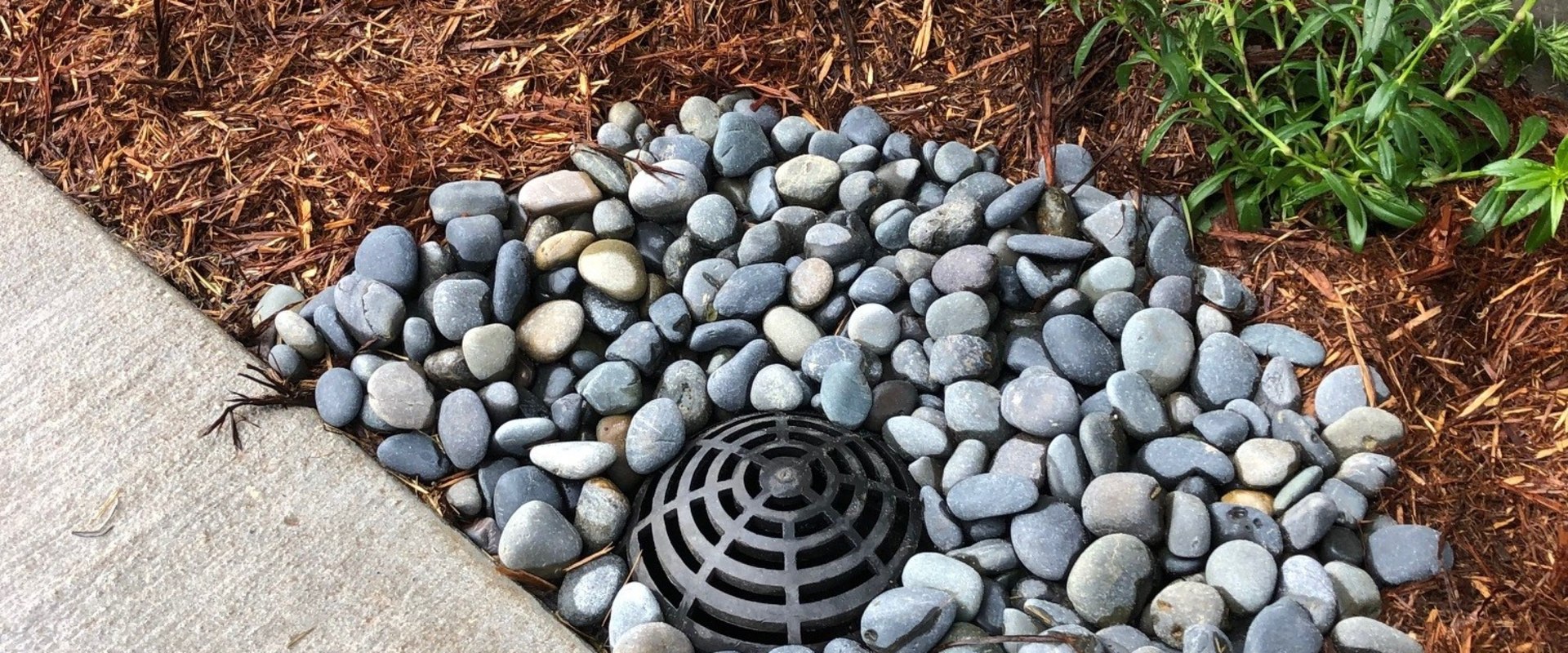
Professional landscape design often incorporates a variety of features that help control water movement across a property. One common approach involves grading the land so that it gently slopes away from structures, guiding water toward designated drainage areas. Contractors may also install drainage systems such as French drains, catch basins, or channel drains to redirect excess water away from vulnerable areas. In addition, permeable surfaces like gravel pathways or specially designed pavers allow water to seep into the ground naturally rather than pooling on the surface. Strategic planting can also help absorb excess moisture, as certain plants and trees have root systems that improve soil stability and water absorption. By combining these techniques, landscape professionals create outdoor environments that remain functional and attractive even during periods of heavy rainfall.
Preventing Structural Damage Through Landscape Planning
The connection between landscaping and property protection becomes particularly clear when considering the risks associated with uncontrolled water flow. Without proper drainage systems in place, even moderate rainfall can gradually cause damage to a property’s foundation, basement, or exterior surfaces. Landscape contractors help prevent these issues by identifying potential trouble spots and implementing preventive measures before serious damage occurs. Their work supports homeowners in avoiding costly repairs that may arise from moisture infiltration or flooding. In areas where heavy rainfall is common, careful landscape planning becomes even more important in preventing issues related to water damage in Raleigh and similar regions where drainage challenges can affect residential properties.
Long-Term Benefits of Professional Landscape Maintenance
Maintaining a landscape that effectively manages water requires ongoing attention and care. Over time, natural shifts in soil, plant growth, and environmental conditions can alter how water flows across a property. Regular landscape maintenance helps ensure that drainage systems remain clear and functional while preserving the intended slope and structure of the outdoor environment. Contractors may inspect drainage channels, adjust grading if necessary, and remove debris that could block water flow. These preventive measures not only protect the property but also preserve the beauty and health of the landscape itself. By prioritizing water management in their designs and maintenance practices, landscape contractors help property owners enjoy outdoor spaces that are both visually appealing and structurally secure for many years to come.